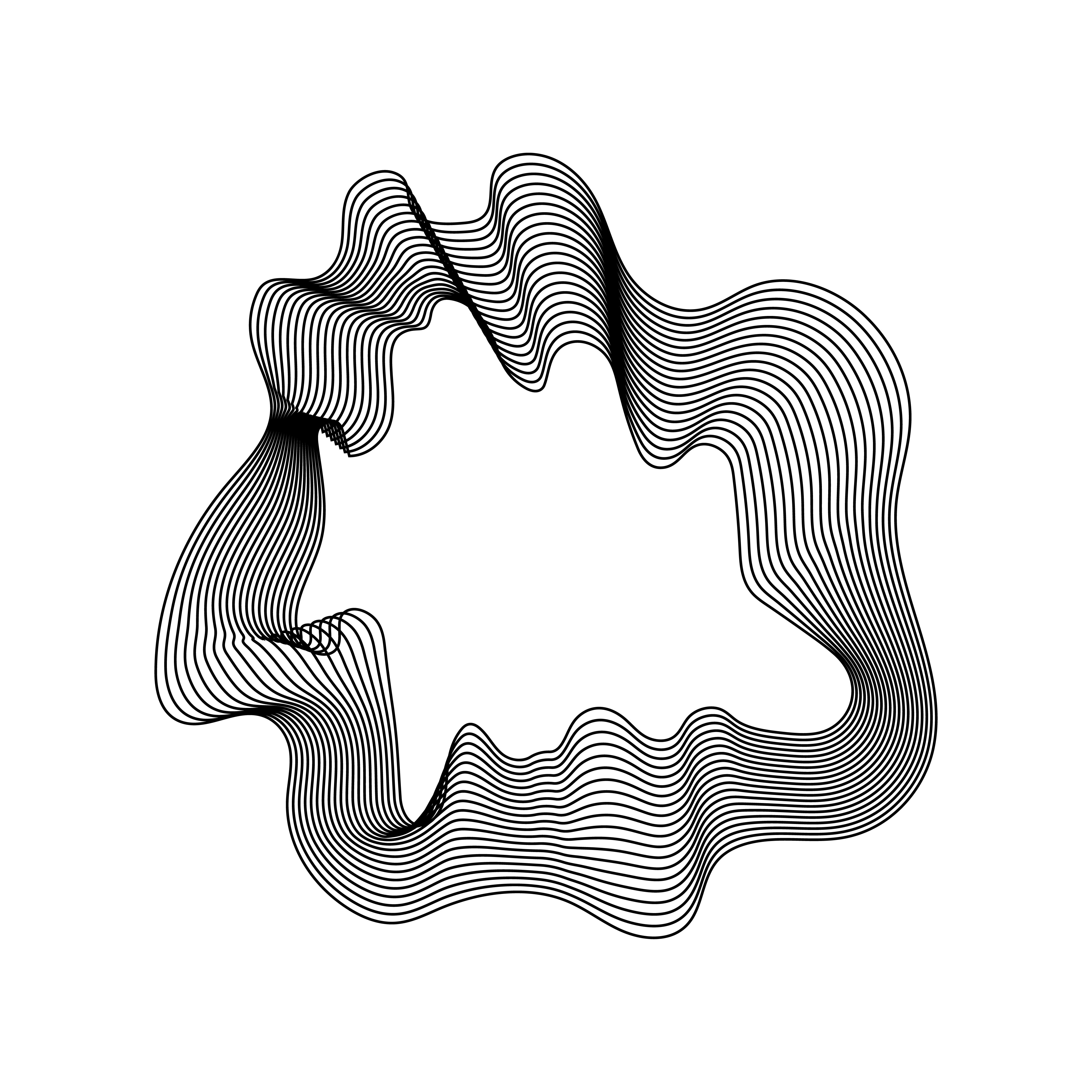
The Brief.
A client came looking for brand that captured his "vibe."
No visual direction. No reference points. The brand needed to work across digital platforms and physical touchpoints without ever feeling over-designed. The goal was to capture a feeling, not describe it.


The Question.
The Research.
The first inclination when dealing with ambiguity is finding a reference point. What already exists that carries this feeling?
Several successful music identities translated sound into visual form through waveform-inspired systems.
The answer came from an unexpected direction — Joy Division's debut album and an Arctic Monkeys cover. Not because of genre overlap, but because of what those covers did.
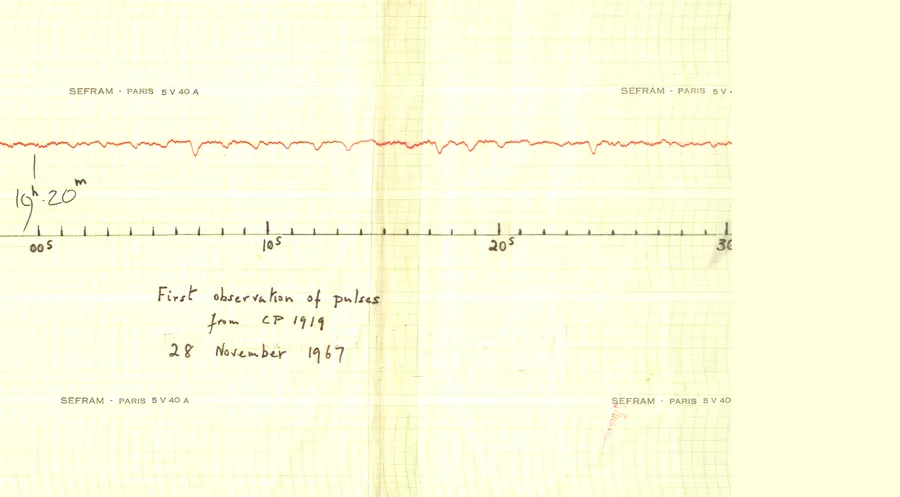
First pulsar, which was later named CP1919 (https://www.cam.ac.uk/stories/journeysofdiscovery-pulsars)
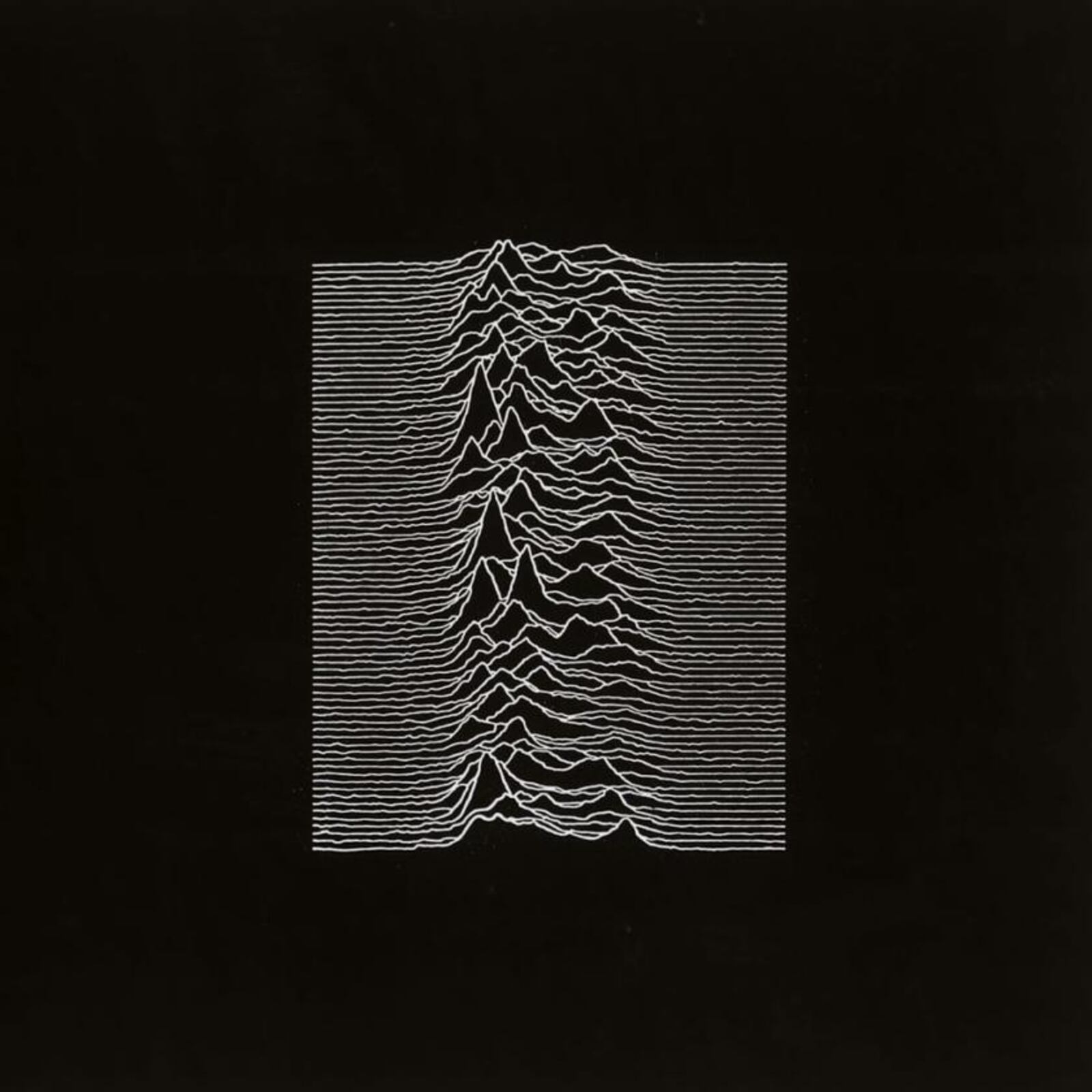
Unknown Pleasures, English rock band Joy Division's debut studio album by the - released on June 15, 1979.
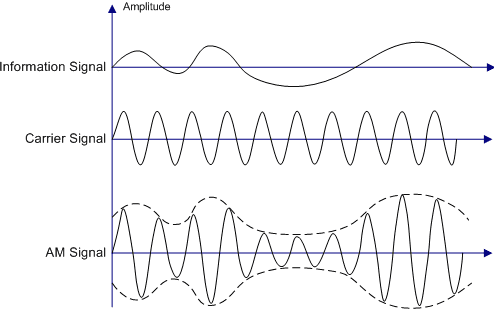
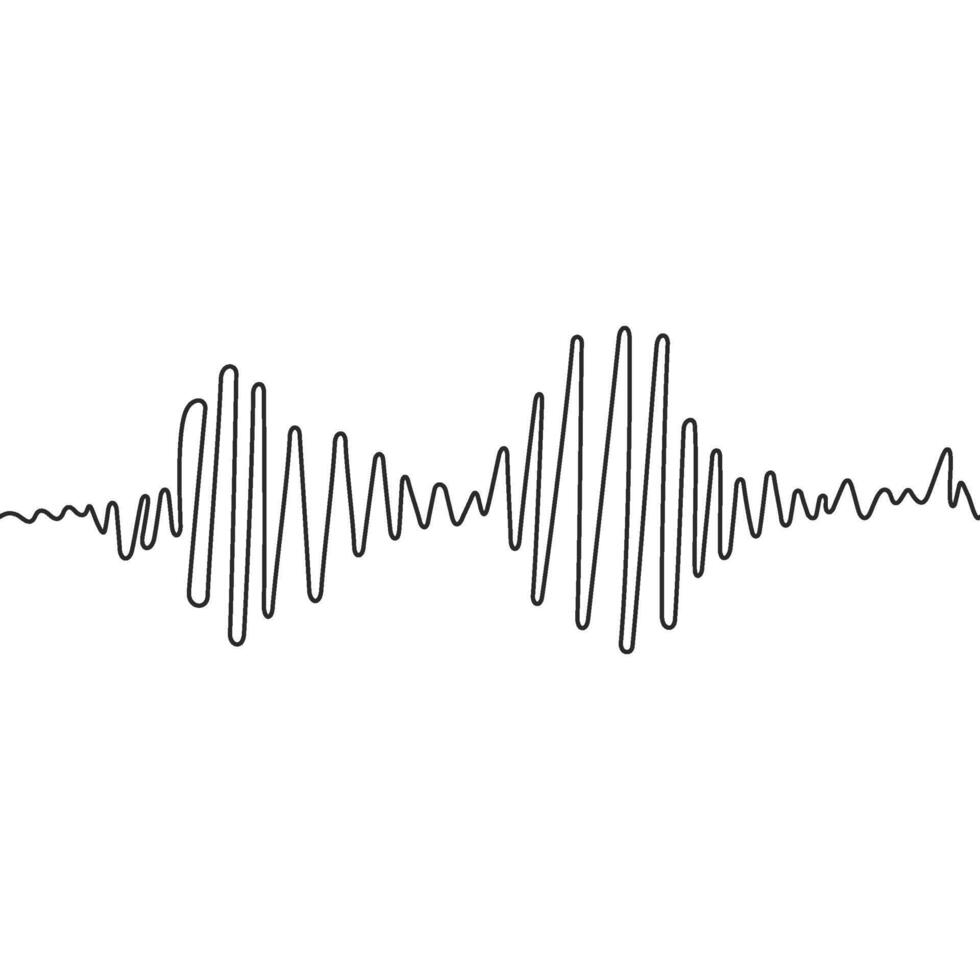
A basic amplitude modulated wave
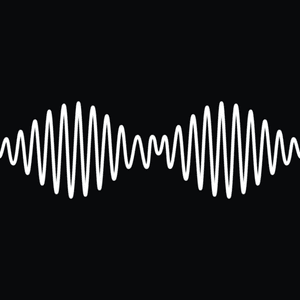
Arctic Monkeys Album 2013 - titled "AM"
The Insight.
Sound has a physical form. The identity should visualize that.
Sound waves can look like textbook diagrams, but they don't have to. They can fold, ripple, and overlap. They have weight and direction. If the brand could capture the physics and texture of sound itself — rather than the aesthetics of music culture — it would catch the feeling of a "vibe."
This idea led the direction.
Minimalism as a design principle.
The concept anchors on two ideas working in tension: the precision of minimalism and the organic complexity of how sound actually moves through space.
The Decision
Monochromatic. Line-based. Organic but precise.
The mark needed to feel scientific and emotional simultaneously. The precision of minimalism working in tension with the organic complexity of how sound actually moves through space. Never literal. Never decorative. Always atmospheric.
The word "Presence" was chosen deliberately — to create music that fills a room, that has physical weight, that is felt before it is heard. The identity had to embody that same quality.
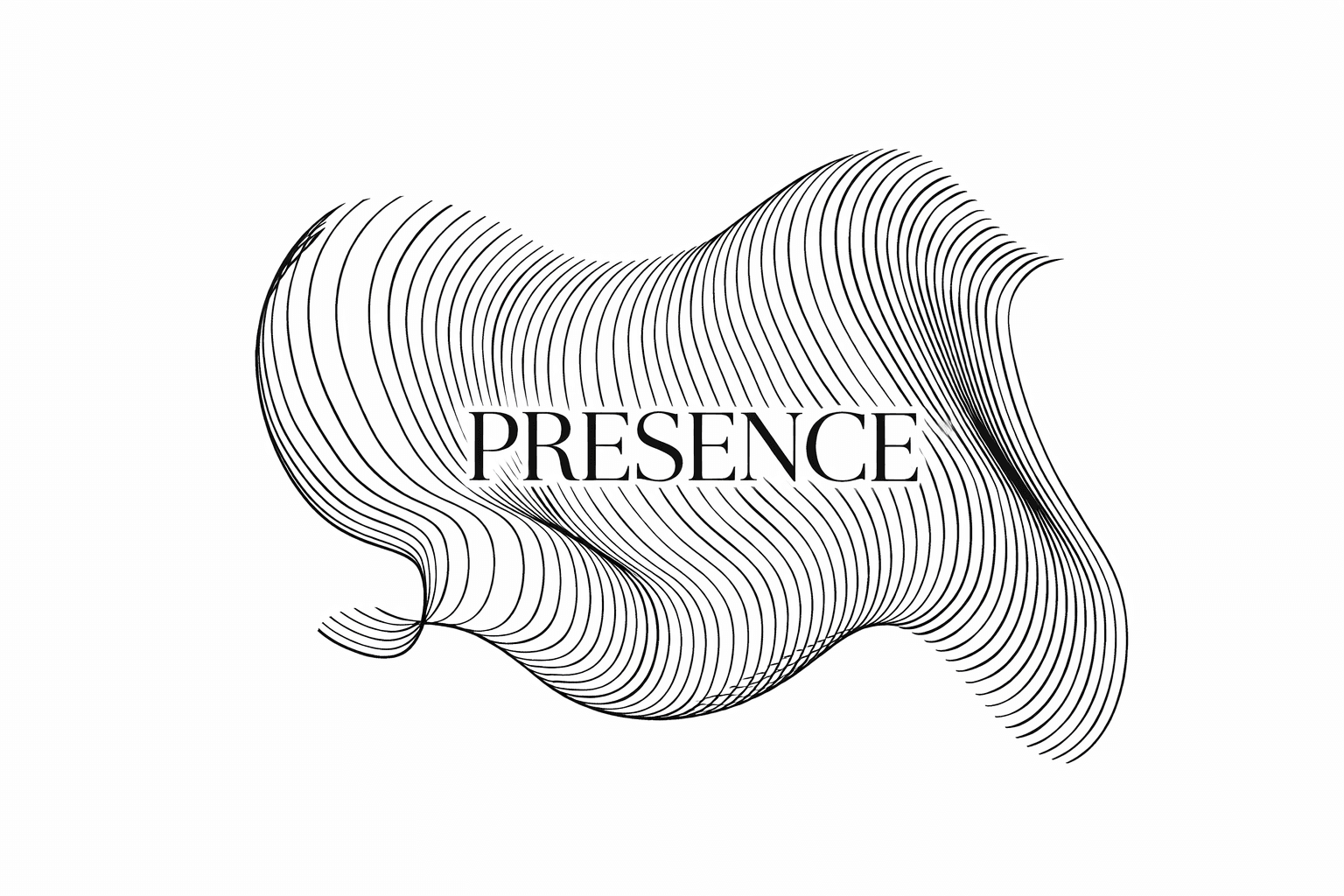
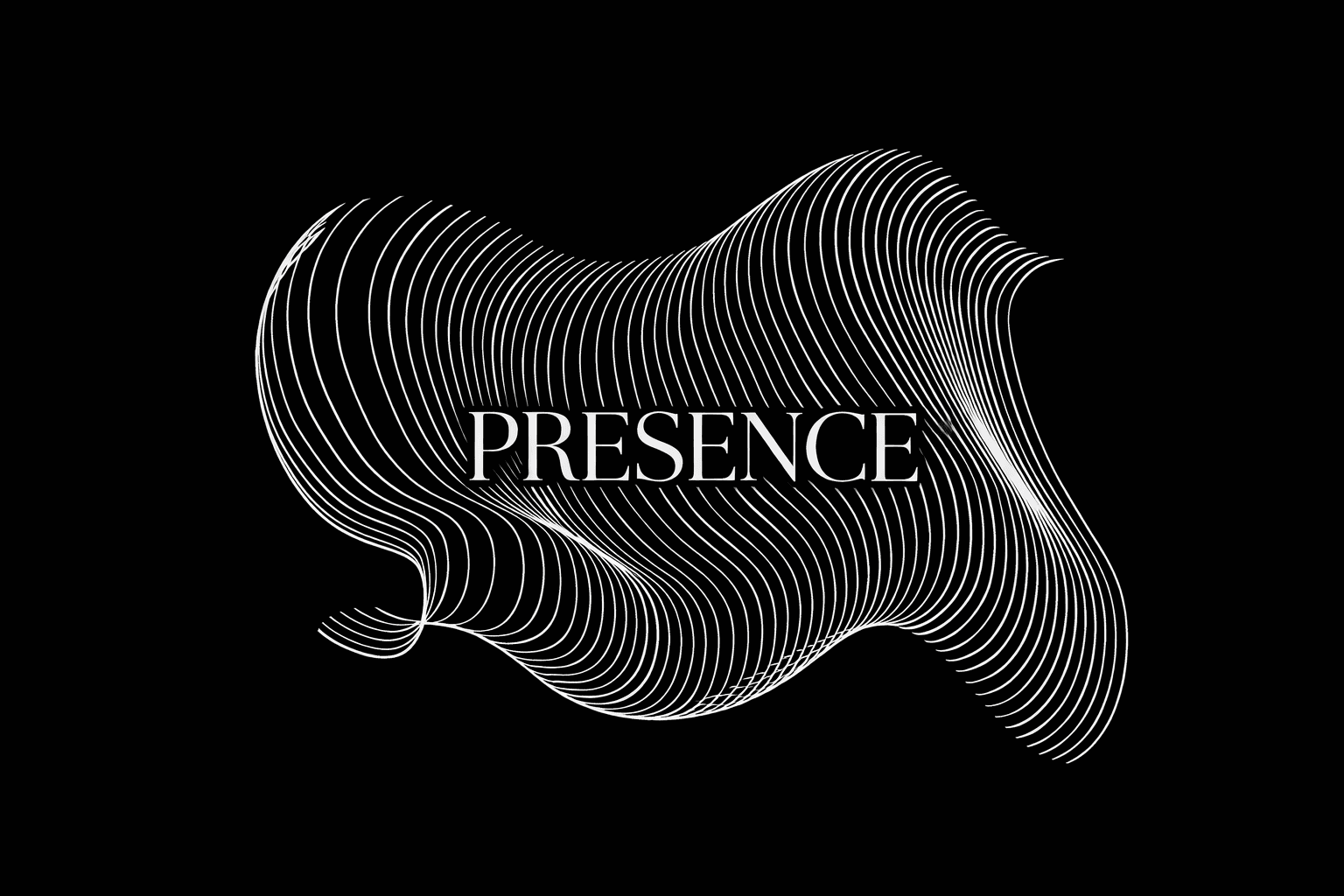
The Result.
A scalable visual system built around the physics of sound rather than the aesthetics of pop music cliches.
The system works across digital platforms and physical touchpoints — from streaming profiles to album art — without ever feeling over-designed
visualizing, music.
© 2026 All rights reserved