About Me
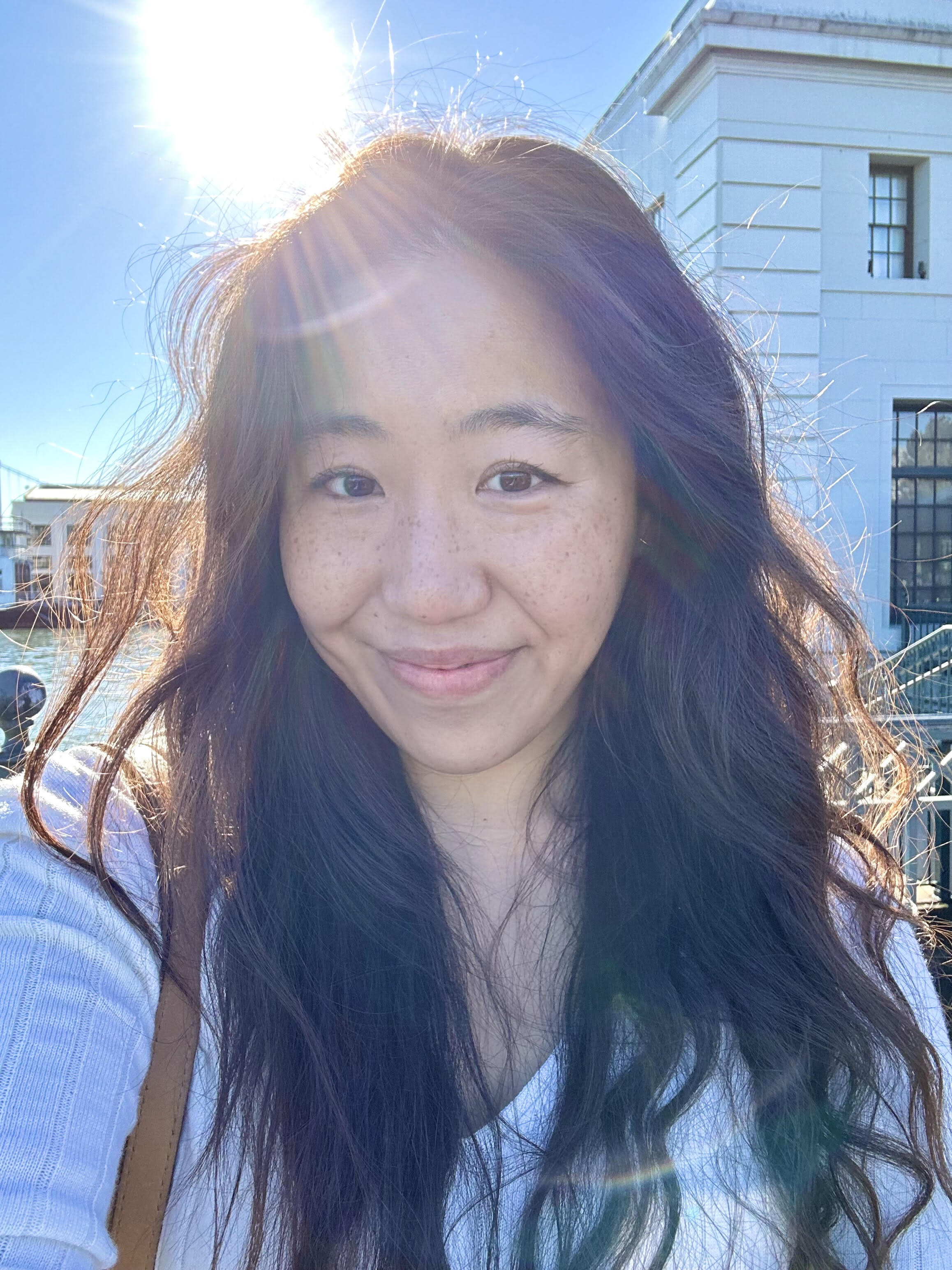
Growing up in Omaha, Nebraska with no siblings meant I learned to keep myself busy.
Weekends meant Saturday morning cartoons at the neighbor’s house, trips to the one Korean grocery store in town, and asking my dad to take me to Blockbuster. In between, I was constantly fixated on things — tiny wooden houses, paper patterns for doll clothes, hand building clocks, sewing pants, making board games.
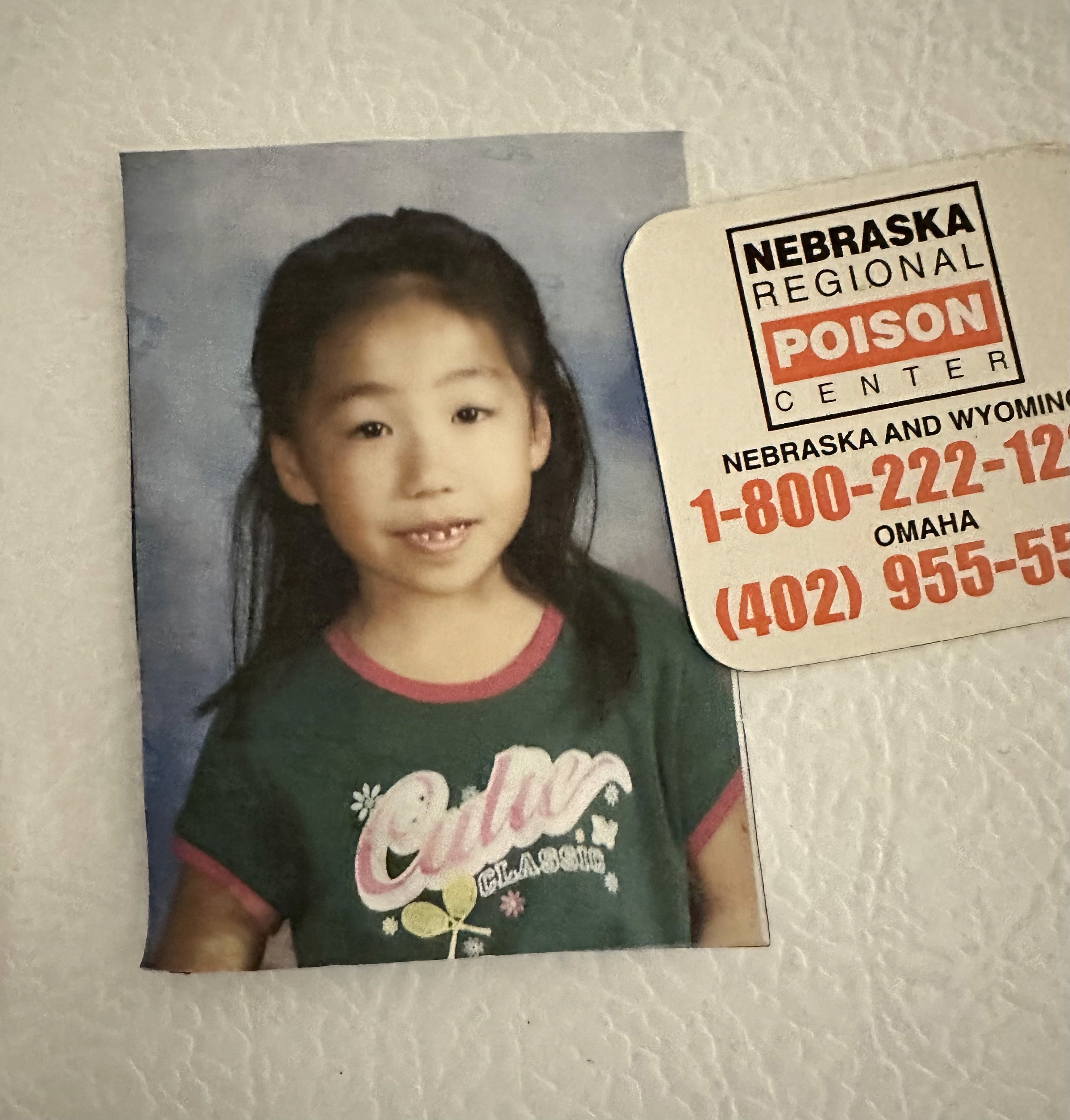
Curiosity had range. At one point, it meant repeatedly recreating the classic baking soda volcano experiment — and experimenting with various other liquids. My mother, anticipating the potential lethality, made it a point to have me memorize the poison control number posted on the fridge.
Growing up in Omaha, Nebraska with no siblings meant I learned to keep myself busy.
Weekends meant Saturday morning cartoons at the neighbor’s house, trips to the one Korean grocery store in town, and asking my dad to take me to Blockbuster. In between, I was constantly fixated on things — tiny wooden houses, paper patterns for doll clothes, hand building clocks, sewing pants, making board games.
Curiosity had range. At one point, it meant repeatedly recreating the classic baking soda volcano experiment — and experimenting with various other liquids. My mother, anticipating the potential lethality, made it a point to have me memorize the poison control number posted on the fridge.
The next fixation was on language learning web apps at school which led me to the computer lab.
And the computer lab is where the Macintosh lived.
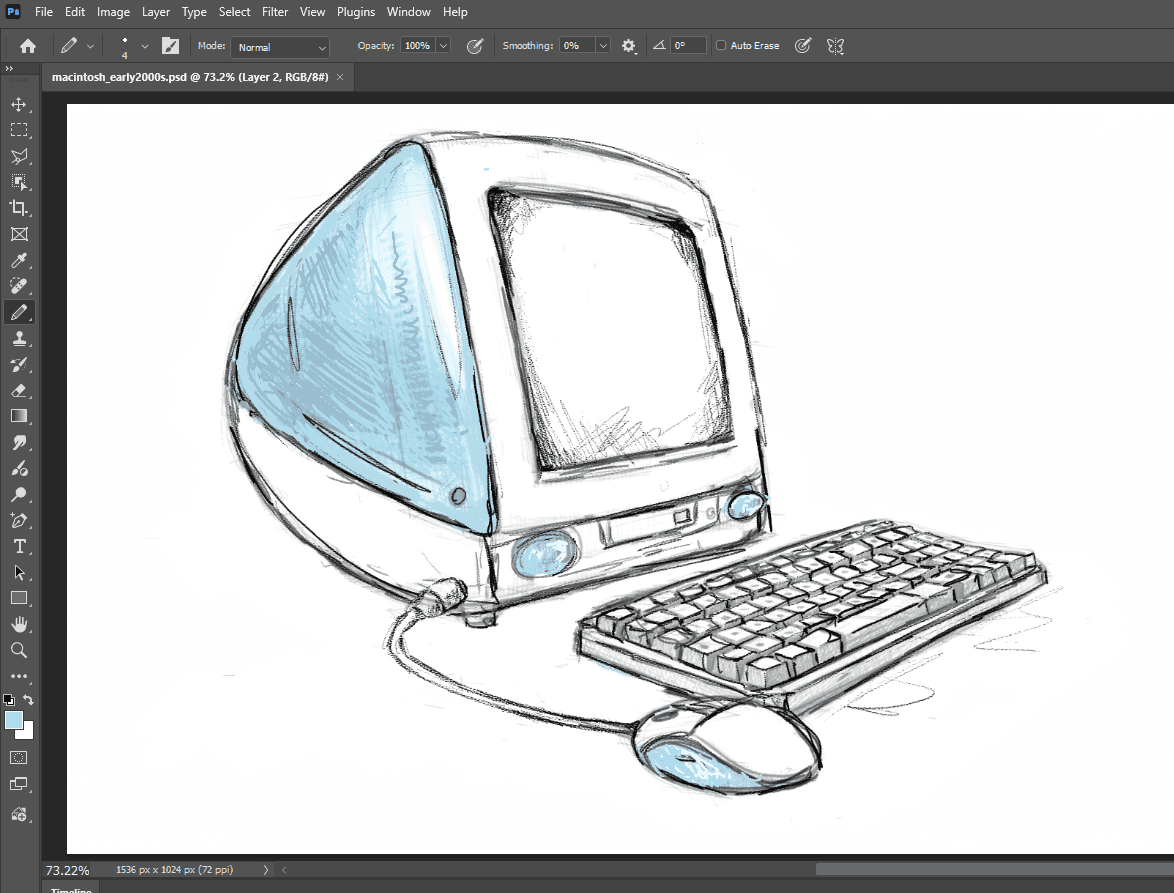
The Macintosh changed how I made things. It allowed me to create things on a screen for the first time. Instead of hand drawing, I could make something once, then duplicate it, refine it, and share it. It shifted how I thought about making.
I didn’t know it was called design yet.
I just knew I liked figuring things out — making things work, and making things look right.
Today, that instinct has become my foundation. For me, design is never just aesthetics — it’s the full system: how something works, how it looks, and how it makes someone feel.
Whether it’s a product, an interface, or something as simple as a piece of stationery, the goal is the same: clarity, ease, and intention.I’m drawn to the details most people don’t consciously notice but always feel — the intuitive flow, the app that just works, the experience that reduces friction.
Good design doesn’t demand attention.
It quietly shapes how we live - making things a little easier
and a lot more joyful :)
I'm always learning, improving, and excited to take on new challenges. Got any ideas?
Let's chat,
Sarah Mu
The next fixation was on language learning web apps at school which led me to the computer lab.
And the computer lab is where the Macintosh lived.
The Macintosh changed how I made things. It allowed me to create things on a screen for the first time. Instead of hand drawing, I could make something once, then duplicate it, refine it, and share it. It shifted how I thought about making.
I didn’t know it was called design yet.
I just knew I liked figuring things out — making things work, and making things look right.
Today, that instinct has become my foundation. For me, design is never just aesthetics — it’s the full system: how something works, how it looks, and how it makes someone feel. Whether it’s a product, an interface, or something as simple as a piece of stationery, the goal is the same: clarity, ease, and intention.
I’m drawn to the details most people don’t consciously notice but always feel — the intuitive flow, the app that just works, the experience that reduces friction.
Good design doesn’t demand attention. It quietly shapes how we live - making things a little easier and a lot more joyful :)
I'm always learning, improving, and excited to take on new challenges. Got any ideas?
Let's chat,